
Podcast
Talking Justice
Our Talking Justice podcast explores the experiences, expertise and influence of women working at the heart of clinical negligence law.

Unpack pressing issues shaping clinical negligence today
Across the series, we unpack some of the most pressing issues shaping clinical negligence today, from the gender pain gap and unequal health outcomes, to shifting legal frameworks and growing barriers to access to justice. Through expert insight, real-world examples and candid discussion, each episode considers how bias in medicine, research and the law affects patients, and what meaningful reform could look like.
The series also shines a light on the women driving change within clinical negligence law. We hear from practitioners at different stages of their careers, including those who entered the profession through non-traditional routes, to understand the challenges they have faced, the progress being made, and what still needs to change to better support women in the sector.
Episodes

Katherine talks to Emma Wilson, ATE Account Manager, ARAG, exploring the issues shaping clinical negligence today - from the gender pain gap and access to justice, to the women driving change within the law.
Through expert insight and real-world discussion, the series asks where the system has fallen short and what needs to change.
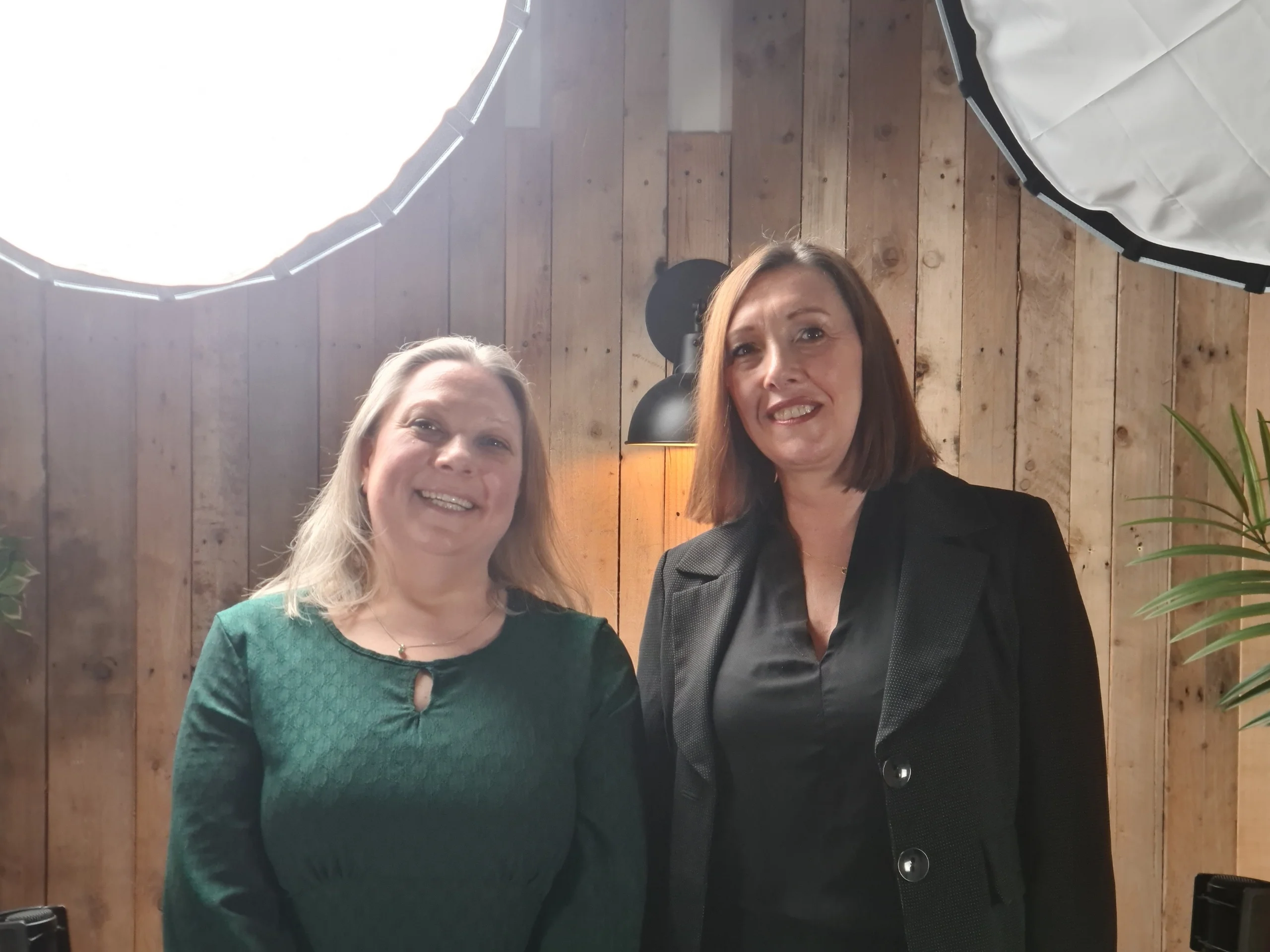
Helen and Emma Wilson, ATE Account Manager, ARAG, unpack what rehabilitation really means in injury claims and why getting it early can change recovery, independence, and family life. We compare the personal injury rehab code with the clinical negligence reality, where delays on liability and NHS pathways often leave people without support for far too long.
Helen and Emma discuss what “rehabilitation” means in the claims context, how the Personal Injury Rehabilitation Code works in practice (from initial needs assessments to case management, therapies, equipment and psychological support), and why insurers are typically willing to fund early intervention.
They then contrast this with the realities of clinical negligence litigation: delayed claims, complex liability investigations, long NHS waiting lists, and the absence of an equivalent rehab framework.