
Neurodiversity & Wellbeing in Law: Highlights from the Manchester Panel Event
Published on 19/03/26
Click below for related articles
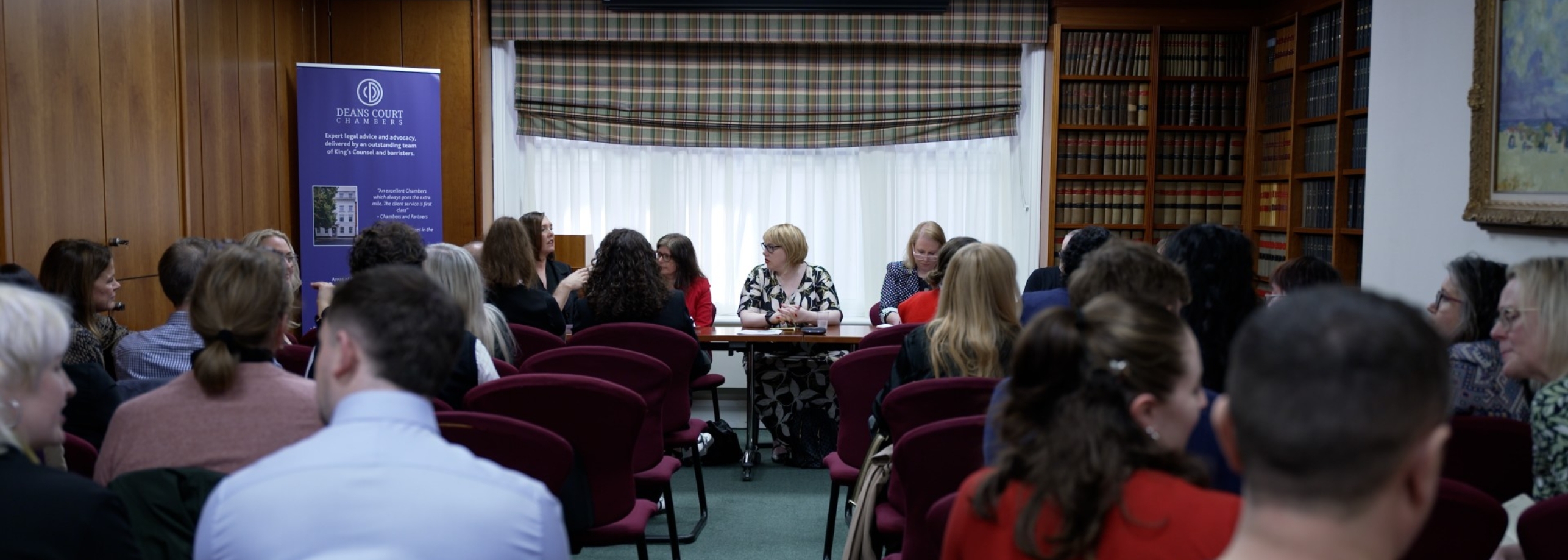
I recently hosted a Neurodiversity and Wellbeing in Law panel event at Deans Court Chambers in Manchester, in partnership with the Legal Neurodiversity Network and supporting the legal mental health charity, LawCare. The discussion brought together legal professionals to explore what neuroinclusive practice looks like in real workplaces and what needs to change to better support neurodivergent colleagues.
This topic matters both personally and professionally; as a late diagnosed neurodivergent person I want to help those in the legal profession better understand the challenges neurodivergent people face, and the strengths they bring.
The aim was to increase awareness of neuroinclusive practice across the profession, discuss ways in which legal careers can be made more neuroinclusive, and how employers need to build workplaces where people feel safe to disclose neurodiversity without fear of judgement.
Our guest speakers each brought their own unique experience of neurodiversity to the panel discussion; we heard from Hannah Beko, a commercial property lawyer, Helen Buzdugan, a specialist careers adviser for carers and parents of neurodivergent children, Emma Hamnett, a trainee CILEX lawyer and David Jones, an employment lawyer.
Key takeaways from our speakers
Hannah Beko: Wellbeing that’s genuinely neuroinclusive
Hannah focused on what it takes to make wellbeing initiatives work for everyone, including neurodivergent colleagues. A key theme was psychological safety: it isn’t created by posters or policies alone, but through training, day-to-day behaviours, and leaders consistently role modelling inclusive practice. Hannah also highlighted a common tension in legal work, tight deadlines alongside variability in executive function and the value of designing systems that reduce unnecessary friction (for example, clearer expectations and fewer last-minute changes).
Helen Buzdugan: Flexible-by-design work and fairer hiring
Helen spoke about how the legal sector can move towards flexibility that is designed-in rather than granted as an exception. She described a future that is more outcomes-focused (with greater autonomy in how people achieve high performance) and more predictable (advance notice of deadlines, protected focus time, and avoiding last-minute changes where possible). In the hiring context, she emphasised the importance of interview and process adaptations that reduce unfair barriers, and of supporting candidates who are unsure whether to disclose neurodiversity.
Emma Hamnett: Recruitment, onboarding, and day-to-day management that works
Emma discussed the practical barriers that can appear in recruitment and onboarding and the small tweaks that can make a big difference. Examples shared included having neurodiversity champions, giving job applicants the option of a neurodivergent person sitting in on interviews, and offering more stability in the workplace environment (such as the option of a set desk rather than hot desking). She also highlighted how supervisors can improve outcomes through clearer structure: explicit instructions, precise communication, and feedback delivered in a way that supports learning rather than triggering anxiety.
David Jones: Reasonable adjustments, procedures, and getting it right early
David’s contribution centred on the practical and legal realities of neuro-inclusion: what “reasonable adjustments” often look like in law firms, where processes can unintentionally disadvantage neurodivergent staff, and the value of course-correcting early. A key takeaway from this part of the discussion was that adjustments should be evidence-led, documented, and reviewed over time, particularly when procedures (such as performance management or disciplinary steps) are in play. The panel also reinforced that leaders should stay alert to emerging themes in disputes involving autism and ADHD and treat neuroinclusive practice as both a people priority and a risk-management priority.
What stood out: Themes that kept coming up
-
One-size-fits-all rarely works
People have different strengths, working styles, and support needs. -
Adjustments are collaborative and ongoing
Needs can change, so reviews and refinements matter. -
Listen first
Effective support comes from dialogue, not assumptions. -
Culture and systems matter as much as individual adjustments
Designing with neurodivergent colleagues in mind often benefits everyone. -
Psychological safety and the sensory environment are foundational
People participate and perform better when they feel safe. -
Leadership sets the standard
Role modelling and consistent behaviours shape whether inclusion is “real”. -
Clear, precise communication helps everyone
-
Flexibility and predictability both matter
Clear expectations, advance notice, and manageable workloads reduce avoidable stress. -
Job carving can unlock strengths
By allocating work in ways that improve team performance.
My final reflection
It was encouraging to see a room full of legal professionals engaging so openly with the practicalities of neuro-inclusion. If there’s one clear message from Manchester, it’s that neuroinclusive practice is not a single initiative - it’s a way of working: designing recruitment fairly, making reasonable adjustments normal and reviewable, and building psychological safety through everyday leadership behaviours.



Disclaimer - all information in this article was correct at time of publishing.
Related articles