ARAG ATE Events Hub
Events, Insights and Developments
From conferences and roundtables to thought leadership and market updates, explore the events and conversations driving the ATE sector forward.

Welcome
Welcome to the ARAG ATE Hub – your central resource for everything happening in the After the event legal expenses insurance space.
Whether you're a solicitor, legal partner, or simply interested in the latest developments in ATE insurance, this page brings together all the key updates and event appearances relevant to your practice.
Explore highlights from our latest news articles, featuring insights from legal experts and updates on ARAG’s strategic direction within the ATE market. If you're looking to meet us in person, check out our calendar of upcoming events below – from national legal conferences to regional networking opportunities, we’re always keen to connect and collaborate with professionals across the legal sector.
11 November 2026 | Spinal Cord Injury Conference, Leicester
A specialist event focused on the challenges, treatment pathways, and legal considerations surrounding spinal cord injuries. Delegates can gain valuable insights from experts working across healthcare, rehabilitation, and law.A specialist event focused on the challenges, treatment pathways, and legal considerations surrounding spinal cord injuries. Delegates can gain valuable insights from experts working across healthcare, rehabilitation, and law.
Find out more17-19 March 2027 | AvMA National Conference, Brighton
We will be exhibitng at this flagship conference from Action against Medical Accidents (AvMA). It brings together healthcare and legal professionals to discuss patient safety, clinical negligence, and improving outcomes for patients. The event features expert speakers, case studies, and sector updates.
Find out moreLaw Society Roundtable
ARAG recently partnered with the Law Society to host a roundtable event dedicated to exploring clinical negligence in women’s health—a topic that continues to raise important questions within the legal and healthcare sectors.
The discussion brought together a diverse group of professionals, including women at various stages of their legal careers, all specialising in clinical negligence. We asked them to share their insights, experiences, and perspectives on the challenges and opportunities in this area of law.
In addition to the roundtable conversation, we conducted interviews with attendees to capture their thoughts in more detail. These interviews, along with further resources from the event, are available to view by clicking here.
This roundtable gathered patient care and legal experts to explore the ongoing challenges in this vital area, such as:
- Are clinical negligence practitioners seeing signs of any improvement in women’s healthcare and outcomes?
- Has there been a substantive change in how NHS Resolution responds to claims and is it making a difference to their cost and duration?
- Have reforms proposed by the previous government had any impact on women’s health and maternity care and what could this government do to improve things?
- What are the challenges for funding cases and what is the prognosis for costs?
- While more women lawyers work in clinical negligence it seems those acting as medical experts are disproportionately male. Does this make a difference?
Talking Justice podcast
Across our new series, we unpack some of the most pressing issues shaping clinical negligence today, from the gender pain gap and unequal health outcomes, to shifting legal frameworks and growing barriers to access to justice. Through expert insight, real-world examples and candid discussion, each episode considers how bias in medicine, research and the law affects patients, and what meaningful reform could look like.
The series also shines a light on the women driving change within clinical negligence law. We hear from practitioners at different stages of their careers, including those who entered the profession through non-traditional routes, to understand the challenges they have faced, the progress being made, and what still needs to change to better support women in the sector.
Episodes
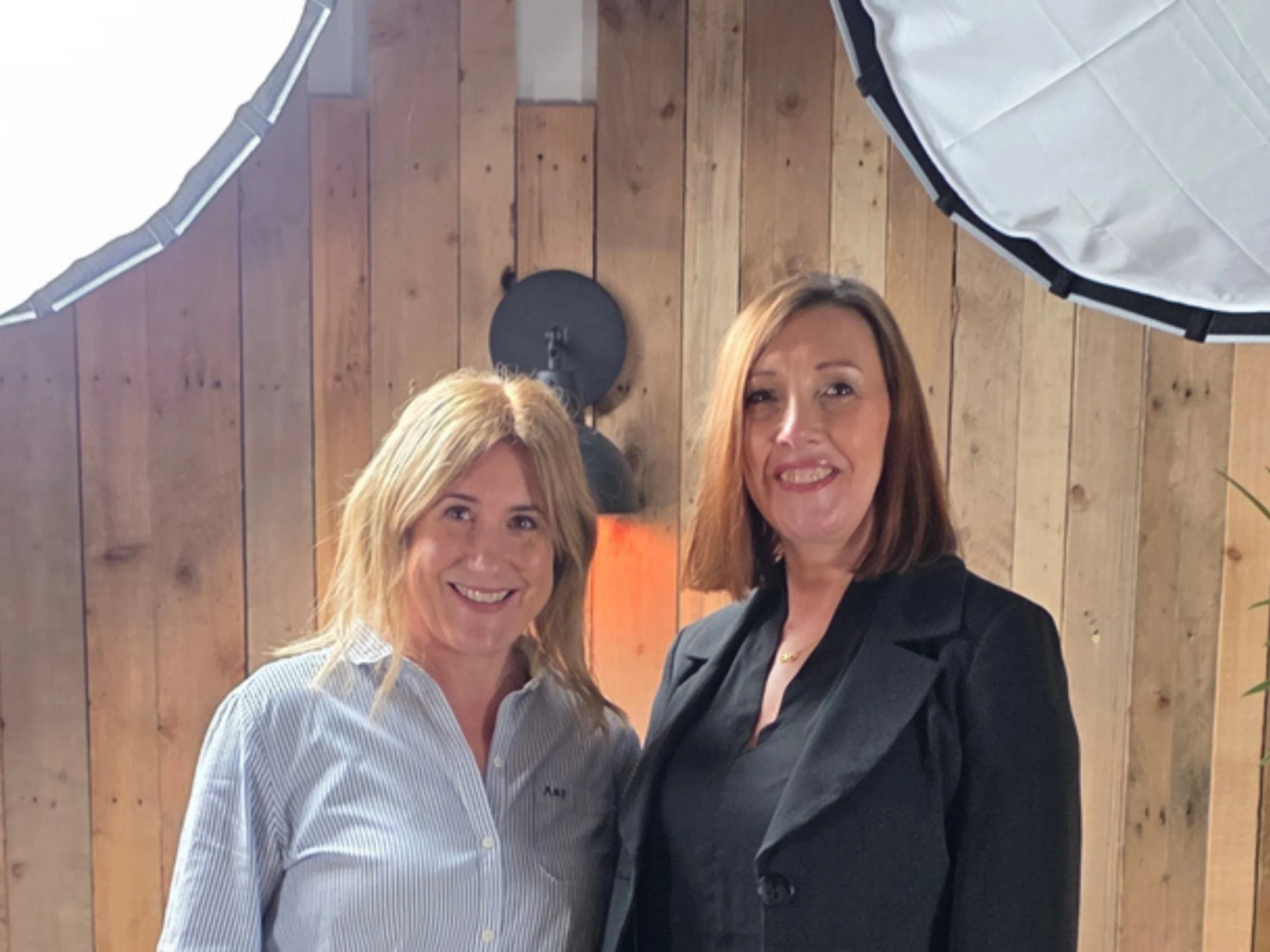
Katherine talks to Emma Wilson, ATE Account Manager, ARAG, exploring the issues shaping clinical negligence today - from the gender pain gap and access to justice, to the women driving change within the law.
Through expert insight and real-world discussion, the series asks where the system has fallen short and what needs to change.
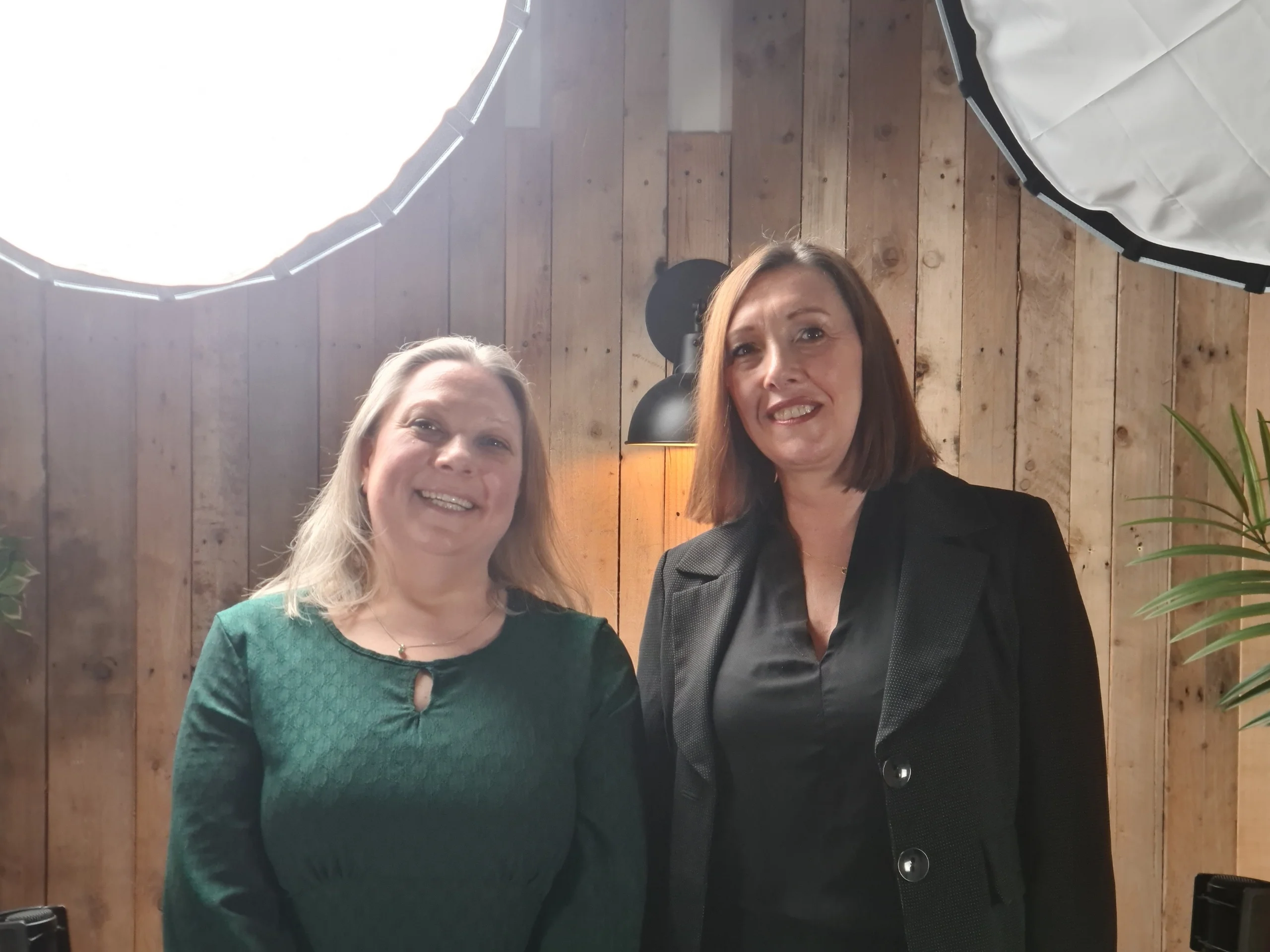
Helen and Emma Wilson, ATE Account Manager, ARAG, unpack what rehabilitation really means in injury claims and why getting it early can change recovery, independence, and family life. We compare the personal injury rehab code with the clinical negligence reality, where delays on liability and NHS pathways often leave people without support for far too long.
Helen and Emma discuss what “rehabilitation” means in the claims context, how the Personal Injury Rehabilitation Code works in practice (from initial needs assessments to case management, therapies, equipment and psychological support), and why insurers are typically willing to fund early intervention.
They then contrast this with the realities of clinical negligence litigation: delayed claims, complex liability investigations, long NHS waiting lists, and the absence of an equivalent rehab framework.